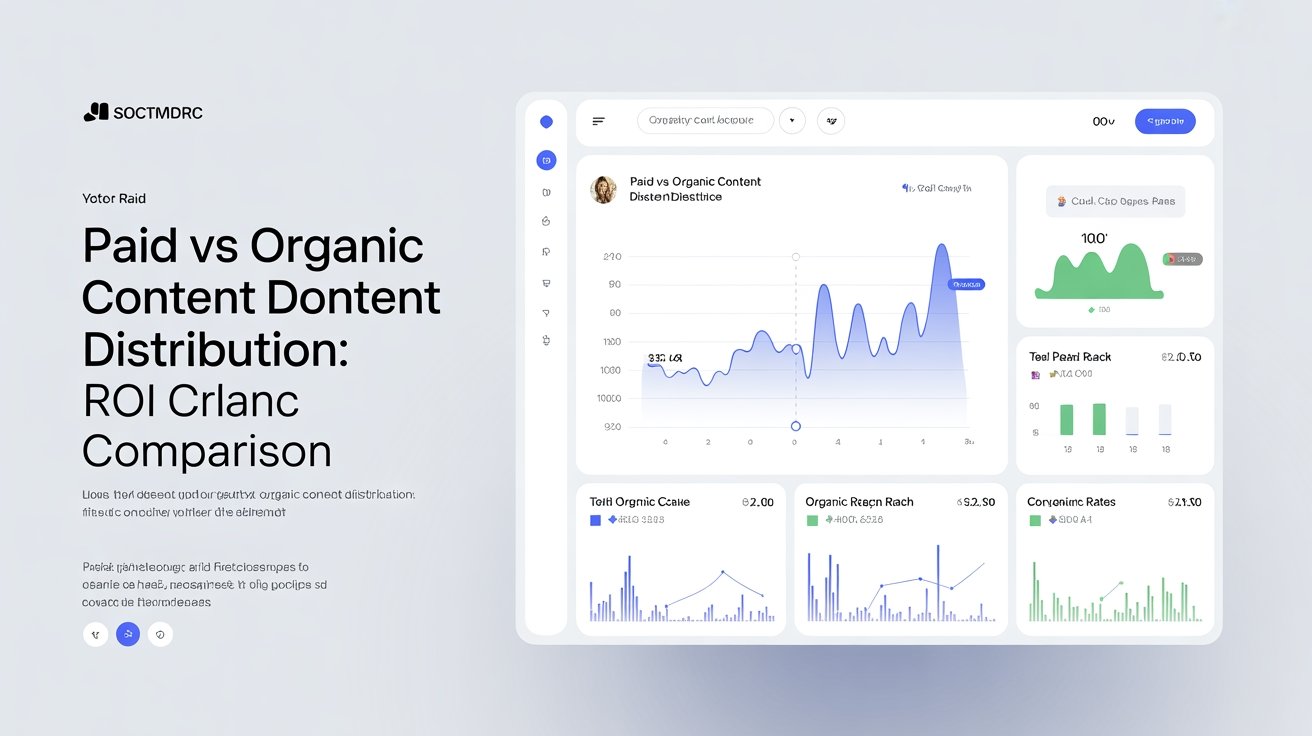


When comparing paid and organic content distribution, consider your goals and resources. Paid methods offer immediate visibility and fast ROI through targeted ads, while organic strategies build lasting relationships over time, enhancing brand credibility. Both have distinct advantages—paid content drives quick engagement, while organic fosters sustainable growth. Understanding key metrics like engagement rates and conversion can help you decide the best approach for your brand. Discover more about aligning these strategies with your business goals.
Table of Contents
Key Takeaways
- Paid content distribution can generate immediate visibility and traffic, leading to faster results and higher conversion rates.
- Organic content distribution fosters long-term audience relationships and builds brand authority, enhancing sustainable growth over time.
- Engagement rates and conversion rates are crucial metrics for evaluating ROI from both paid and organic strategies.
- Balancing paid and organic methods can optimize reach, allowing businesses to maximize their return on investment.
- Cost analysis of each distribution method helps identify the most effective channels aligned with business objectives for ROI.
Understanding Paid Content Distribution
Paid content distribution is a powerful tool in the digital marketing arsenal. It allows you to amplify your reach and engage a targeted audience effectively.
By employing paid strategies, you can guarantee your content appears in front of the right people at the right time. This means you’re not just throwing your message into the void; you’re strategically placing it where it matters.
Content targeting lets you tailor your approach based on demographics, interests, and behaviors, increasing the likelihood of conversion. You’ll see faster results compared to organic methods, making it a valuable option for immediate impact.
Understanding these elements empowers you to utilize paid content distribution efficiently, maximizing your marketing efforts while driving measurable outcomes. Additionally, keeping in mind the importance of user experience can help ensure your content resonates with your audience.
The Mechanics of Organic Content Distribution
While paid content distribution can deliver quick results, organic content distribution relies on building a genuine connection with your audience over time.
You’ll want to focus on content sharing across various distribution channels to maximize your organic reach. By implementing effective audience targeting and engagement strategies, you can enhance content visibility and encourage your audience to share your content further.
Keep in mind that algorithm factors on platforms like social media can influence your success, so staying updated on these changes is essential.
Additionally, consider the SEO impact of your content, as optimizing for search engines can improve your organic reach.
Ultimately, prioritizing user experience will foster loyalty and drive more organic traffic to your content over time. Furthermore, an understanding of effective navigation can significantly enhance how users interact with your content and find related information.
Key Metrics for Measuring ROI
To effectively measure the ROI of your content distribution efforts, you need to focus on specific key metrics that reveal how well your content is performing.
By analyzing these ROI metrics, you can fine-tune your strategy and improve future campaigns. Here are four essential metrics to take into account:
- Engagement Rate: Measure likes, shares, and comments to gauge audience interaction.
- Conversion Rate: Track how many users take a desired action, like signing up or making a purchase.
- Traffic Sources: Analyze where your visitors are coming from to understand which distribution channels are effective.
- Cost Per Acquisition (CPA): Calculate how much you spend to gain a customer, helping you assess the cost-effectiveness of your campaigns.
Focusing on these metrics will greatly enhance your content performance evaluation. Additionally, implementing analytics tools can provide deeper insights into your content distribution success and help refine your approach.
Immediate Benefits of Paid Content
Investing in paid content distribution can yield immediate benefits that enhance your overall marketing strategy.
One of the most significant advantages is instant visibility. With just a few clicks, your content can appear at the top of search results or on relevant social media feeds, capturing audience attention quickly. This rapid exposure helps you generate traffic and engagement almost immediately.
Additionally, paid content allows for targeted reach, ensuring your message gets in front of the right audience. You can tailor your campaigns based on demographics, interests, and behaviors, maximizing the effectiveness of your investment. Furthermore, leveraging informed choices can help you select the best distribution channels to enhance your ROI.
Long-Term Value of Organic Content
When you focus on organic content, you’re setting yourself up for sustainable traffic growth over time. This strategy not only builds your brand authority but also proves to be cost-effective in the long run. User empowerment through in-depth evaluations can further enhance the effectiveness of your content strategy. Let’s explore how organic content can truly benefit your business.
Sustainable Traffic Growth
While many businesses chase quick wins through paid content, sustainable traffic growth hinges on the long-term value of organic content. By focusing on organic strategies, you can foster lasting relationships with your audience and enhance brand loyalty.
Here are four key points to contemplate:
- Content Longevity: Quality content remains relevant, drawing traffic over time.
- Audience Retention: Engaging and informative content keeps visitors coming back.
- Sustainable Traffic: Organic traffic builds steadily, reducing dependency on ads.
- Growth Strategies: By prioritizing organic methods, you create a foundation for future growth.
Investing in organic content not only drives sustainable traffic but also helps you establish a loyal audience that values your brand.
Enhanced Brand Authority
Building on sustainable traffic growth, enhancing brand authority is another significant benefit of organic content. When you consistently produce valuable content, your audience begins to recognize your brand as a credible source. This authority building boosts brand credibility, fostering trust among potential customers.
| Aspect | Organic Content | Paid Content |
|---|---|---|
| Trust Level | Higher | Lower |
| Longevity | Long-term | Short-lived |
| Engagement | Organic interactions | Transactional clicks |
| Cost Efficiency | Lower over time | Ongoing expenses |
Cost-Effective Long-Term Strategy
Sustainability in marketing often hinges on cost-effective strategies, making organic content a valuable long-term investment. By focusing on organic content, you’re not just saving money—you’re building a solid foundation for future growth.
Here are some cost-effective tactics to contemplate:
- Consistent Quality: Regularly producing high-quality content keeps your audience engaged and coming back for more.
- SEO Optimization: Investing in SEO guarantees your content ranks well, driving organic traffic over time.
- Social Sharing: Encourage users to share your content, expanding your reach without additional costs.
- Building Authority: Establishing expertise in your niche enhances trust, making your audience more likely to convert.
Cost Analysis: Paid Vs Organic
When you evaluate the costs of paid versus organic content distribution, it’s essential to take into account both immediate expenses and long-term value.
A cost breakdown reveals that paid distribution often requires a significant upfront investment, covering ad placements and promotional boosts. However, this can lead to quick visibility and traffic spikes.
In contrast, organic methods demand a lower initial expenditure but require consistent effort over time to build momentum.
Analyzing expenditure trends shows that while organic strategies may seem cost-effective, the time commitment can add up.
Ultimately, balancing both approaches can optimize your content’s reach and effectiveness, ensuring you maximize your ROI across different platforms. User empowerment is key in determining the best strategy for your needs.
Consider your goals and resources to make the best choice.
Audience Engagement and Relationship Building
While both paid and organic content distribution can drive traffic, engaging your audience and nurturing relationships often hinges on organic strategies.
With organic content, you can foster audience retention and build trust over time. Here are four ways to enhance your audience engagement:
- Value-driven content: Share insights and tips that resonate with your audience’s needs.
- Interactive elements: Use polls, quizzes, or Q&A sessions to encourage participation.
- Consistency: Regularly post content to keep your audience interested and coming back for more.
- Personalized communication: Respond to comments and messages to show you care, enhancing relationship nurturing.
Case Studies: Success Stories in Both Approaches
Let’s explore some real-world examples that highlight the effectiveness of both paid and organic content distribution.
You’ll see how brands have achieved impressive results through targeted ads and organic reach strategies.
Paid Content Success Stories
Several brands have successfully leveraged paid content distribution to achieve impressive results. These success stories highlight various success metrics, showcasing how targeted campaigns can drive engagement and conversions.
Here are a few notable case studies:
- Nike: Their paid social media campaigns led to a 50% increase in online sales during a key product launch.
- Coca-Cola: A targeted video ad campaign boosted brand awareness by 30% in a specific demographic.
- HubSpot: By investing in paid search ads, they generated a 200% return on ad spend within three months.
- Airbnb: Their paid content strategy increased bookings by 40% during the holiday season.
These examples illustrate the tangible benefits of paid content distribution, making it a worthy investment for many brands.
Organic Reach Achievements
Paid content distribution has proven effective for many brands, but organic reach also delivers impressive results. Companies leveraging organic reach strategies have seen significant growth by focusing on genuine engagement and authentic storytelling.
For example, a small business increased its followers by 300% through targeted content that resonated with its audience. By analyzing audience targeting and understanding their preferences, brands can create shareable content that builds community and loyalty.
Another success story involves a nonprofit raising awareness through organic campaigns, resulting in a 150% increase in donations. These achievements showcase the power of organic methods in cultivating long-lasting relationships with customers, proving that with the right strategies, organic reach can be just as impactful as paid options.
Comparative ROI Analysis
While both paid and organic content distribution have their merits, a comparative ROI analysis reveals distinct success stories that highlight the effectiveness of each approach.
Understanding these successes can greatly aid your roi measurement.
- Paid Campaigns: A tech startup invested in targeted ads, resulting in a 300% increase in conversions.
- Organic Growth: A lifestyle blog grew its audience by 150% through consistent SEO practices and engaging content.
- Mixed Strategy: An e-commerce brand combined both approaches, achieving a 200% ROI by leveraging paid ads for immediate sales while nurturing organic traffic for long-term growth.
- Seasonal Promotions: A retail company capitalized on paid social ads during holidays, achieving a 400% ROI compared to their organic efforts.
These cases provide valuable insights into optimizing your strategy for maximum impact.
Aligning Strategy With Business Goals
Aligning your content distribution strategy with your business goals is essential for maximizing impact and achieving desired outcomes. By ensuring strategic alignment between your distribution methods and business objectives, you can effectively reach your target audience and enhance engagement.
Here’s a simple breakdown to illustrate the importance of alignment:
| Distribution Method | Business Objective | Alignment Impact |
|---|---|---|
| Paid Advertising | Increase Sales | High Conversion Rates |
| Organic Content | Build Brand Awareness | Long-term Growth |
| Social Media | Engage Customers | Strong Community |
| Email Marketing | Retain Customers | Higher Loyalty |
Focus on aligning your strategies to create a coherent plan that drives results. This clarity helps you prioritize efforts and allocate resources more efficiently.
Making the Right Choice for Your Brand
When deciding between paid and organic content distribution, you need to contemplate your budget and audience engagement.
Analyzing costs helps you understand what fits your brand’s financial goals, while metrics on audience interaction reveal what resonates best.
Balancing these factors will guide you in making the most effective choice.
Cost Analysis Strategies
Choosing between paid and organic content distribution can be intimidating, especially when your brand’s budget and goals are at stake.
To navigate this decision, consider these cost analysis strategies:
- Cost Breakdown: Analyze costs associated with each model, including ad spend and organic resource allocation.
- Budget Allocation: Decide how much of your budget to dedicate to each strategy based on your financial forecasting.
- Resource Utilization: Assess how to efficiently utilize your existing resources for maximum impact.
- Efficiency Analysis: Track expenditure and evaluate pricing models to verify you’re getting ideal investment returns.
Audience Engagement Metrics
Understanding audience engagement metrics is essential for making informed decisions about your content distribution strategy. By analyzing engagement trends, you can pinpoint what resonates with your audience. Look closely at likes, shares, comments, and click-through rates to gauge how well your content performs.
Equally important is understanding your audience demographics. Knowing who your audience is allows you to tailor your messaging and choose the right channels for distribution. For instance, if your target demographic prefers visual content, investing in paid options like video ads might yield better engagement.
Ultimately, balancing paid and organic strategies based on these metrics helps you optimize your content, ensuring you connect with your audience effectively and drive meaningful interactions.
Frequently Asked Questions
What Types of Businesses Benefit Most From Paid Content Distribution?
E-commerce businesses and B2B marketers benefit most from paid content distribution. These strategies amplify reach, driving targeted traffic and conversions, which can considerably boost sales and enhance brand visibility in competitive markets.
How Does Content Quality Impact Organic Reach and Engagement?
Content quality greatly impacts organic reach and engagement. When you guarantee content relevance and effectively target your audience, you’re more likely to attract attention, foster connections, and encourage sharing, boosting your overall visibility and interaction.
Can Paid and Organic Strategies Be Effectively Combined?
Imagine you’re using paid ads to boost a high-quality blog post. By leveraging synergistic strategies, you can enhance audience targeting, maximizing engagement and reach while building a loyal following through organic channels.
What Tools Help Track Content Distribution Performance?
To track content distribution performance, you should use analytics tools like Google Analytics and social media insights. They provide valuable performance metrics, helping you understand engagement levels, audience reach, and overall effectiveness of your content strategy.
How Often Should Content Be Updated for Maximum Effectiveness?
You should update your content regularly to maintain content freshness. Aim for an update frequency of every few months, or sooner if trends change, ensuring your audience stays engaged and your information remains relevant.
Conclusion
To summarize, choosing between paid and organic content distribution depends on your brand’s goals and resources. Did you know that businesses earn an average of $6.50 for every $1 spent on paid advertising? While that shows the immediate impact of paid content, remember that organic strategies can build lasting relationships with your audience. Ultimately, a balanced approach can maximize ROI, ensuring you engage effectively while driving conversions and fostering loyalty.