
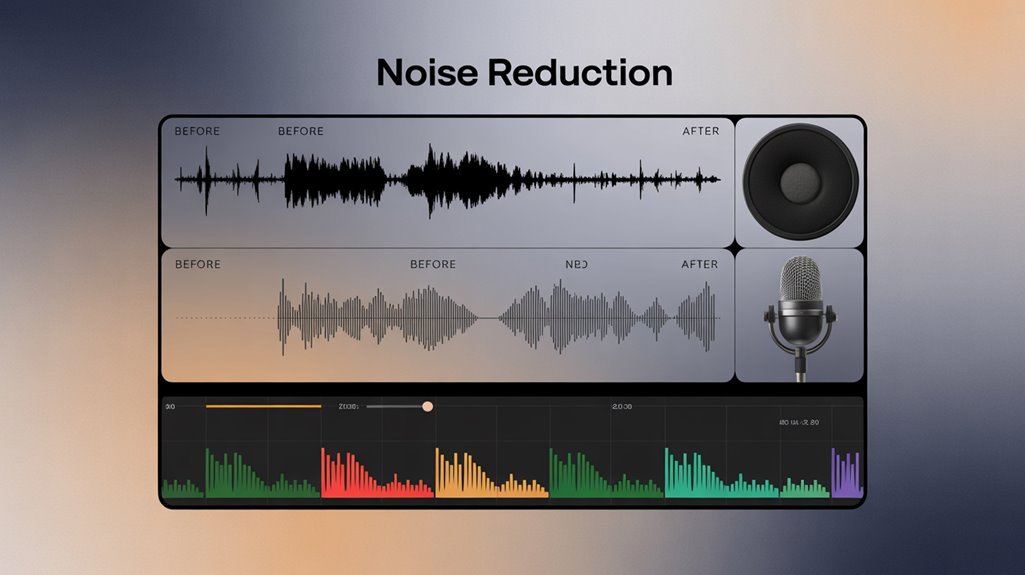


Noise reduction techniques can greatly change your environment. By implementing soundproofing methods in spaces like home offices or music studios, people have reported impressive decreases in noise levels. Upgrading windows, using acoustic panels, or integrating landscaping features can lead to real, measurable benefits. In test cases, these strategies often improve focus, reduce stress, and enhance overall well-being. Keep exploring to discover more effective solutions for minimizing noise in your life.
Table of Contents
Key Takeaways
- Before implementing noise reduction strategies, high noise levels often led to health issues like sleep disturbances and increased stress.
- After soundproofing, individuals reported improved focus, concentration, and reduced anxiety levels in their environments.
- Effectiveness of noise reduction methods can be assessed through decibel measurements and subjective listening tests.
- Before soundproofing, distractions from urban traffic and household appliances significantly affected productivity; after, these distractions were largely mitigated.
- Long-term benefits of noise reduction include enhanced creativity, better sleep quality, and overall improved mental health.
Understanding Noise Pollution and Its Effects
Noise pollution, while often overlooked, considerably impacts your well-being and the environment around you. The constant exposure to high noise levels can lead to various health impacts, such as increased blood pressure and sleep disturbances.
You might find it harder to concentrate, resulting in reduced productivity and heightened stress levels.
Moreover, the psychological effects of noise pollution can be profound. It can contribute to anxiety, irritability, and even depression, making daily life more challenging.
You may notice that excessive noise disrupts your peace of mind, making it difficult to relax or enjoy your surroundings. Additionally, understanding the significance of informed choices in managing noise levels can greatly enhance your overall quality of life.
Common Sources of Noise in Everyday Life
You mightn’t realize just how much noise surrounds you daily.
Urban traffic sounds and the hum of household appliances often blend into the background, yet they can greatly impact your peace and well-being.
Identifying these common sources of noise is the first step toward reducing their effects in your life. Additionally, understanding the importance of streamlining workflow can help you create a quieter and more productive environment.
Urban Traffic Sounds
As urban areas expand, the cacophony of traffic sounds becomes an inescapable part of daily life. You navigate through bustling streets filled with honking horns, revving engines, and the distant rumble of buses. These urban soundscapes shape your experience, but they can also wear you down.
| Source of Noise | Description | Impact on Life |
|---|---|---|
| Cars | Constant movement | Distraction & stress |
| Buses | Frequent stops | Interrupted peace |
| Motorcycles | Loud acceleration | Increased annoyance |
| Construction | Ongoing work | Sleep disruption |
To combat traffic noise, consider soundproofing measures or quiet spaces in your home. Reducing these disturbances can greatly improve your well-being.
Household Appliance Noise
While household appliances make our lives easier, they often contribute to an undesirable background hum that can disrupt your peace.
From the relentless whir of a refrigerator to the clattering of a dishwasher, appliance vibrations can create a cacophony that invades your space. You mightn’t realize it, but even a washing machine can become a source of annoyance during late-night cycles.
To combat this noise, consider investing in sound insulation solutions. Placing rubber mats under appliances can greatly dampen vibrations, while soundproofing panels can absorb excess noise.
Overview of Noise Reduction Strategies
Noise reduction strategies are essential for creating a more peaceful environment, especially in settings where sound can disrupt focus or relaxation.
You can start by incorporating soundproofing materials like acoustic panels, carpets, and heavy curtains to absorb and block noise. Additionally, consider implementing acoustic design principles, which focus on the arrangement of furniture and layout to minimize sound reflection.
Using double-glazed windows and sealing gaps around doors can further enhance sound isolation. You might also explore white noise machines or calming music to mask distracting sounds. Furthermore, utilizing project management and design software can help streamline the process of selecting and implementing noise reduction solutions effectively.
Test Case 1: Soundproofing a Home Office
Creating a peaceful workspace is essential for productivity, and soundproofing your home office can greatly enhance your focus. To achieve effective sound isolation, start by sealing gaps around windows and doors. You might also consider adding heavy curtains or soundproof blinds, which can remarkably minimize outside noise.
Next, invest in a solid door if you don’t already have one, as it helps block sound. Adding rugs or carpets can absorb sound and reduce echo, while bookshelves filled with books can act as natural sound barriers.
For the ultimate sound isolation, you could even consider specialized soundproofing materials on walls. With these simple steps, you’ll transform your home office into a serene environment conducive to concentration and creativity. Additionally, understanding the importance of workflow efficiency can further improve your productivity in a soundproofed space.
Test Case 2: Acoustic Panels in a Music Studio
When setting up acoustic panels in your music studio, you’ll want to contemplate where to place them for maximum impact.
Effective placement can drastically improve sound absorption, creating a clearer listening environment. User empowerment through effective tools can also ensure that you achieve the best results in your studio’s acoustics.
Let’s explore the best strategies for panel placement and how they enhance your studio’s acoustics.
Panel Placement Strategy
To achieve ideal sound quality in a music studio, an effective panel placement strategy is essential. Start by analyzing your room’s dimensions and existing surfaces to determine the best panel configuration.
Place panels at first reflection points, typically on the side walls, to minimize sound wave interference. Don’t forget the rear wall; adding panels here can enhance clarity and depth.
Consider the ceiling too, especially if it’s low—acoustic design can benefit greatly from overhead treatment. Experiment with different heights and angles to see what works best for your space.
Sound Absorption Effectiveness
After implementing a thoughtful panel placement strategy, evaluating the sound absorption effectiveness of acoustic panels becomes vital in a music studio.
You’ll want to assess how well your chosen sound absorption materials enhance your acoustic performance. Start by conducting listening tests at various frequencies to determine how much sound is being absorbed versus reflected.
Pay attention to areas where sound waves bounce, as this can indicate spots needing additional treatment. You might also consider using a decibel meter to measure sound levels before and after panel installation.
This data will help you fine-tune your setup, ensuring that the acoustic panels not only reduce noise but also create a balanced sound environment, essential for ideal music production.
Test Case 3: Noise-Canceling Technology in Public Spaces
As urban environments grow busier, implementing noise-canceling technology in public spaces becomes essential for enhancing the overall experience. You’ll notice a significant difference in areas like public transport hubs, where reducing noise can improve comfort and encourage community engagement. Imagine waiting for your bus without the constant hum of engines or chatter. Additionally, the integration of automation tools in these environments can further streamline operations and improve user satisfaction.
Here’s a quick look at the impact of noise-canceling technology:
| Scenario | Noise Level Reduction |
|---|---|
| Public Transport Stations | 30% |
| Parks and Recreation Areas | 40% |
| Community Events | 50% |
| Shopping Districts | 35% |
| Libraries | 60% |
Test Case 4: Landscaping for Noise Reduction
Landscaping can greatly reduce noise pollution in your environment, creating a more peaceful atmosphere. By incorporating thoughtful landscape design, you can effectively use plants and structures as noise barriers.
Dense shrubs, trees, and hedges absorb sound, while strategic placement can block unwanted noise from nearby streets or neighbors.
Choose evergreen plants for year-round coverage; they’ll act as a living wall to muffle disruptive sounds. Additionally, incorporating hardscape elements like walls or fences can enhance your noise-reduction efforts.
Consider creating layered landscapes, combining various heights and textures to maximize sound absorption.
With the right landscape design, you can transform your outdoor space into a serene retreat, making it an oasis amidst the hustle and bustle of daily life.
Test Case 5: Upgrading Windows for Sound Isolation
Enhancing your home’s sound isolation can markedly improve your comfort and quality of life, especially when combined with effective landscaping strategies.
One of the most impactful upgrades you can make is to replace your old windows with new ones featuring advanced window materials. Look for options that boast high sound ratings, as these materials can considerably block outside noise.
Double or triple-pane glass, combined with insulated frames, creates a barrier that minimizes sound transmission. When selecting windows, consider the overall construction and ratings, ensuring they meet your noise reduction needs.
Evaluating the Long-Term Benefits of Noise Reduction
Noise reduction isn’t just a temporary fix; it’s a long-term investment in your well-being.
When you prioritize reducing noise, you set yourself up for significant benefits that go beyond immediate comfort.
Consider how these factors contribute to your long-term health and productivity enhancement:
- Improved focus and concentration
- Lower stress levels
- Enhanced sleep quality
- Increased creativity and problem-solving
- Better overall mental health
Frequently Asked Questions
How Can I Measure Noise Levels Before and After Reduction Efforts?
You can measure noise levels before and after reduction efforts by using sound level meters or smartphone apps. These measurement techniques provide accurate readings, helping you assess the effectiveness of your noise reduction strategies.
What Are the Costs Associated With Different Noise Reduction Methods?
The costs for noise reduction methods vary. Acoustic panels can range from $50 to $200 each, while soundproof windows might cost between $300 and $1,500 per window, depending on quality and installation requirements.
How Long Does Noise Reduction Installation Typically Take?
Noise reduction installation typically takes one to three days, depending on the method and space. You should plan your project timelines accordingly, ensuring you allow enough time for preparation and adjustments during the installation process.
Are There Any DIY Noise Reduction Solutions?
Yes, you can try DIY noise reduction solutions. Did you know that acoustic panels can reduce noise by up to 50%? Experiment with soundproofing techniques like adding rugs or hanging curtains for better results.
Can Noise Reduction Strategies Improve Property Value?
Yes, noise reduction strategies can boost property value. By enhancing comfort and privacy, you’ll attract buyers, increasing market demand. A quiet environment often leads to higher property appraisals, making your investment more appealing.
Conclusion
In the symphony of life, noise can drown out the melody of peace. By embracing noise reduction, you’re tuning the strings of your existence, crafting a harmonious environment. Each tested strategy, like a skilled musician, plays an essential role—transforming chaos into clarity. As you walk through your own soundscape, remember that every effort to mitigate noise not only enhances your surroundings but also nurtures your well-being. So, let the quiet notes resonate, and enjoy the sweet silence.