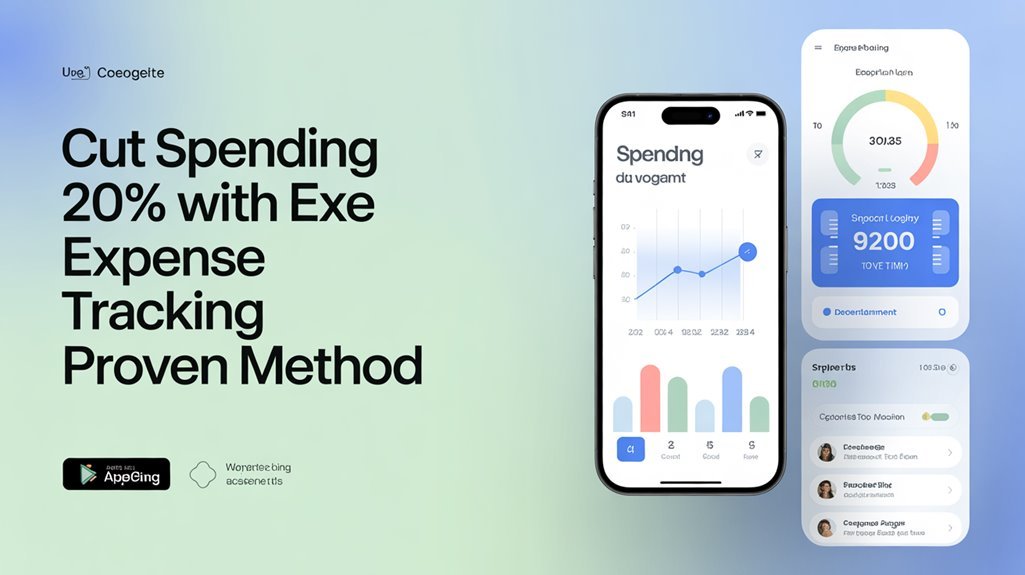


To cut your spending by 20%, start tracking your expenses. Use apps or spreadsheets to categorize your spending and identify patterns. Set aside weekly time to update this information, helping you pinpoint areas to reduce costs. Focus on separating needs from wants to set realistic budgets. Monitor your progress regularly to guarantee you stay within limits. Want to learn how to implement strategies for effective expense tracking? Keep going to discover more insights!
Table of Contents
Key Takeaways
- Establish a consistent expense tracking method using digital tools or spreadsheets to identify spending patterns and areas for reduction.
- Categorize your expenses into needs and wants to pinpoint where cuts can be made effectively.
- Set realistic budgets focusing on categories with potential savings, aiming for a 20% reduction in overall spending.
- Regularly review and adjust your budget based on tracking insights to stay within limits and monitor progress.
- Implement sustainable spending changes while prioritizing essential expenses to achieve financial goals without compromising quality of life.
Understanding Expense Tracking
Understanding expense tracking is essential if you want to gain control over your finances. By monitoring where your money goes, you can uncover spending patterns and identify areas to cut back.
The importance of tracking expenses lies in its ability to help you stay within budget and avoid unnecessary debt. You’ll reap the benefits of better financial health, increased savings, and more informed spending decisions.
With today’s digital tools, expense tracking has never been easier. Apps and software can automate the process, making it simple to categorize expenses and visualize your spending habits.
Embracing these tools allows you to focus on your long-term financial goals while gaining insight into your current financial situation. Additionally, utilizing analytics solutions can further enhance your understanding of spending trends. Start tracking today to empower your financial journey!
Setting Up Your Expense Tracking System
How do you get started with setting up your expense tracking system? First, focus on choosing tools that work for you. Whether it’s a budgeting app, spreadsheet, or pen and paper, select a method that feels comfortable and convenient.
Next, establish categories for your expenses. Common categories include groceries, transportation, and entertainment. This helps you see where your money goes and makes tracking easier.
Set aside time each week to update your expenses, ensuring you stay on top of your spending. Remember, consistency is key. Additionally, utilizing analytics solutions can provide insights into your spending habits and help you make informed decisions about your finances.
Analyzing Your Spending Habits
Once you’ve set up your expense tracking system, it’s time to plunge into analyzing your spending habits. Start by reviewing your spending patterns over the past month. Identify areas where you consistently overspend and consider why that happens. Are you making impulse purchases or falling for marketing tactics? This self-reflection fosters financial discipline.
Next, categorize your expenses into needs and wants. This helps you see where you can cut back without sacrificing essentials.
Look for trends, such as frequent dining out or subscription services that go unused. By understanding these patterns, you’ll empower yourself to make informed decisions and take charge of your finances. Ultimately, this awareness is the key to achieving your spending reduction goals. Additionally, exploring software evaluation tools can provide insights into your financial habits and help streamline your expense management.
Identifying Areas for Cost Reduction
While you review your spending habits, pinpointing areas for cost reduction becomes essential. Start by categorizing your expenses into distinct cost categories like housing, transportation, entertainment, and groceries. This breakdown helps you visualize where your money’s going.
Next, assess your expense priorities. Identify which categories are necessary and which ones you can trim without sacrificing your quality of life. For instance, you might find that dining out frequently could be reduced to save a significant amount.
Be proactive and set realistic budgets for each category, focusing on those that offer the most potential for savings. By clearly identifying these areas, you’ll create a roadmap to cut spending effectively and reach that 20% reduction goal. Additionally, consider applying sustainable design principles in your budgeting to minimize your ecological footprint while saving money.
Implementing Changes and Monitoring Progress
With your spending categories identified and budgets set, it’s time to implement changes that align with your goals. Start by making budget adjustments in areas where you overspend. Track these changes and establish a routine for progress evaluation. Consistently review your spending to guarantee you’re staying within your limits. Regularly assessing your progress is crucial to avoid the common web error of feeling lost in your financial journey, similar to a page not found scenario.
Here’s a helpful table to monitor your adjustments:
| Category | Initial Budget | Adjusted Budget |
|---|---|---|
| Groceries | $300 | $240 |
| Dining Out | $150 | $100 |
| Entertainment | $100 | $80 |
| Utilities | $200 | $160 |
| Transportation | $250 | $200 |
Regularly assess your progress, and don’t hesitate to tweak your budgets as needed. You’ll find success in your financial journey!
Frequently Asked Questions
How Often Should I Review My Expense Tracking?
You should review your expense tracking weekly to stay on top of your spending. Then, at the end of each month, summarize your expenses to spot trends and adjust your budget as needed.
What Tools Can I Use for Expense Tracking?
You can use budgeting apps like Mint or YNAB for real-time expense tracking. They generate detailed expense reports, helping you visualize spending habits. With these tools, managing your finances becomes as easy as pie!
Can I Track Expenses Manually Instead of Digitally?
Yes, you can track expenses manually using paper methods. Just jot down your spending in a notebook or use a simple spreadsheet. This approach can help you stay organized and aware of your financial habits.
Is It Necessary to Categorize Every Expense?
It’s true that you don’t have to categorize every expense, but doing so can be a game changer. Categorization benefits help you gain valuable expense insights, revealing patterns and opportunities to save more effectively.
How Do I Handle Irregular or Seasonal Expenses?
You can handle irregular expenses by creating a seasonal budgeting plan. Set aside a specific amount each month for those unpredictable costs, ensuring you’re prepared when they arise without disrupting your regular financial flow.
Conclusion
By embracing expense tracking, you’re not just tightening your belt; you’re crafting a financial roadmap to freedom. As you analyze your spending habits and identify areas for cost reduction, you’ll find that every dollar saved is a step closer to your goals. Remember, it’s not about deprivation but about making your money work smarter for you. So, take charge, implement those changes, and watch your savings grow like a garden nurtured with care.