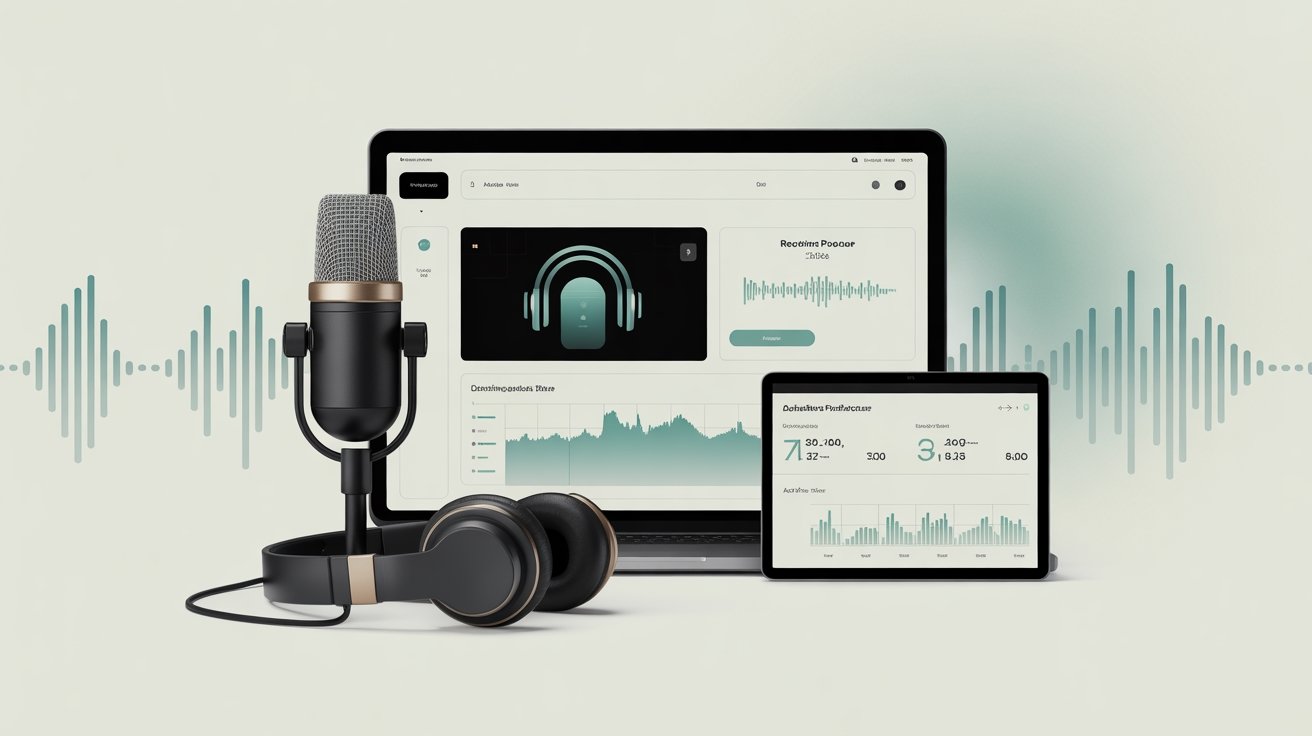


As a beginner podcaster in 2026, you’ll want to start with a dynamic or condenser microphone for great sound quality. Pair it with quality headphones like the Audio-Technica ATH-M50x for accurate monitoring. Choose user-friendly recording software like Audacity or GarageBand to simplify editing. Don’t forget essential accessories like pop filters and soundproofing materials to enhance your audio. With these tools, you’re on your way to creating engaging content, and there’s so much more to explore!
Table of Contents
Key Takeaways
- Choose a dynamic microphone for lively settings or a condenser microphone for intimate interviews to match your recording environment.
- Invest in quality headphones, like Audio-Technica ATH-M50x or Sony WH-1000XM4, for effective audio monitoring and noise isolation.
- Select beginner-friendly recording software such as Audacity or GarageBand, or advanced options like Adobe Audition for extensive editing capabilities.
- Enhance audio quality with accessories like pop filters, soundproofing materials, and microphone stands for a professional setup.
- Regularly maintain your equipment by cleaning, organizing cables, and storing in climate-controlled conditions to ensure longevity and performance.
Essential Microphones for Beginners
When diving into the world of podcasting, selecting the right microphone is essential for capturing clear, professional sound. You’ll find two popular types: dynamic microphones and condenser microphones.
Dynamic microphones are great for beginners due to their durability and ability to handle loud sound levels, making them perfect for recording in less-than-ideal environments.
On the other hand, condenser microphones are more sensitive and capture a wider frequency range, ideal for voice nuances but may require a quieter space.
Think about your recording environment and style when choosing. If you’re in a lively setting, a dynamic mic might be your best bet. For intimate interviews or voiceovers, consider investing in a condenser microphone for richer audio quality. Additionally, be sure to utilize search functionality to quickly locate specific equipment reviews and recommendations.
Recommended Headphones for Podcasting
Choosing the right microphone is just the start; you’ll also want a good pair of headphones to monitor your audio. Headphones with noise isolation will help you catch every detail, ensuring your podcast sounds professional. Consider both wired and wireless options, depending on your recording setup.
Here’s a quick comparison of some recommended headphones:
| Headphones Model | Features |
|---|---|
| Audio-Technica ATH-M50x | Excellent noise isolation |
| Sony WH-1000XM4 | Wireless, great sound quality |
| Sennheiser HD280 Pro | Durable, comfortable fit |
Investing in quality headphones enhances your recording experience, allowing you to focus on delivering the best content possible. Don’t underestimate their importance in your podcasting journey! Additionally, selecting the right tools can greatly influence your overall production quality.
Recording Software Options
While you can have the best microphone and headphones, the right recording software is essential for capturing high-quality audio. You’ve got several options, depending on your needs and budget.
Programs like Audacity and GarageBand are fantastic for beginners, offering straightforward interfaces for audio editing. If you’re looking for more advanced features, consider Adobe Audition or Reaper, which provide extensive tools for mixing and mastering.
Make sure to check software compatibility with your operating system; you want to avoid any technical hiccups. Many platforms also support plugins that can enhance your audio. Additionally, understanding user engagement can significantly improve your overall podcast production process.
Ultimately, choose software that not only meets your editing needs but also feels intuitive to you. Happy recording!
Accessories to Enhance Your Setup
To elevate your podcasting experience, contemplate investing in accessories that can greatly enhance your audio quality and overall production value.
Here are four essential items to contemplate:
- Pop Filters: These help eliminate plosive sounds, ensuring your voice sounds clear and professional.
- Soundproofing Materials: Use foam panels or curtains to reduce echo and background noise, creating a cleaner sound environment.
- Microphone Stands: A sturdy stand keeps your mic steady, allowing for hands-free recording and reducing unwanted noise.
- Headphones: Invest in closed-back headphones to monitor your audio accurately without bleed, helping you catch issues in real time.
Additionally, consider the importance of user-friendly navigation when setting up your podcasting space to streamline your workflow and enhance your overall experience.
Tips for Maintaining Your Equipment
Maintaining your podcast equipment is essential for guaranteeing high-quality recordings and prolonging the life of your gear. Start with regular cleaning techniques, like using a microfiber cloth to wipe down microphones and mixers, and avoid harsh chemicals that could damage surfaces.
For cables, use cable ties to prevent tangling and fraying.
When it comes to storage solutions, invest in padded cases or dedicated shelves to keep everything organized and protected from dust and moisture. Always store your equipment in a climate-controlled environment to avoid temperature extremes that can affect performance. Additionally, be mindful of common issues on websites that could lead to broken links, as this could affect your access to helpful resources.
Frequently Asked Questions
What Is the Ideal Podcast Length for Beginners?
The ideal podcast length for beginners is around 20 to 30 minutes. This duration keeps your audience engaged, allowing you to deliver valuable content without losing their attention. Experiment to find what works best for you!
How Do I Choose a Podcast Hosting Platform?
To choose a podcast hosting platform, compare podcast features across options. Read platform reviews to identify user experiences and guarantee it meets your needs, like storage, analytics, and distribution capabilities. You’ll find the right fit!
Can I Podcast Using Just a Smartphone?
Yes, you can podcast using just a smartphone! With the right apps and techniques, you can achieve decent audio quality. Experiment with smartphone recording features to enhance your sound and engage your audience effectively.
How Often Should I Release New Episodes?
You should aim for a consistent release frequency, like weekly or biweekly, to keep your audience engaged. Regular episodes help build anticipation, maintain interest, and foster a loyal listener base that looks forward to your content.
What Are the Best Practices for Podcast Promotion?
To promote your podcast effectively, leverage social media platforms to engage your audience and share episodes. Don’t forget email marketing; send newsletters to keep listeners updated and encourage them to share your content with others.
Conclusion
With your new podcasting setup, you’re ready to commence your audio journey, like Odysseus setting sail for adventure. Armed with the right microphones, headphones, and software, you’ll navigate the waves of creativity and storytelling. Remember, just as Homer’s hero faced challenges, you might encounter a few bumps along the way. But with proper maintenance and a bit of patience, your podcast can become a beacon for listeners, drawing them in with every episode.